Blog - Page 3 of 13 - DNA IT Solutions

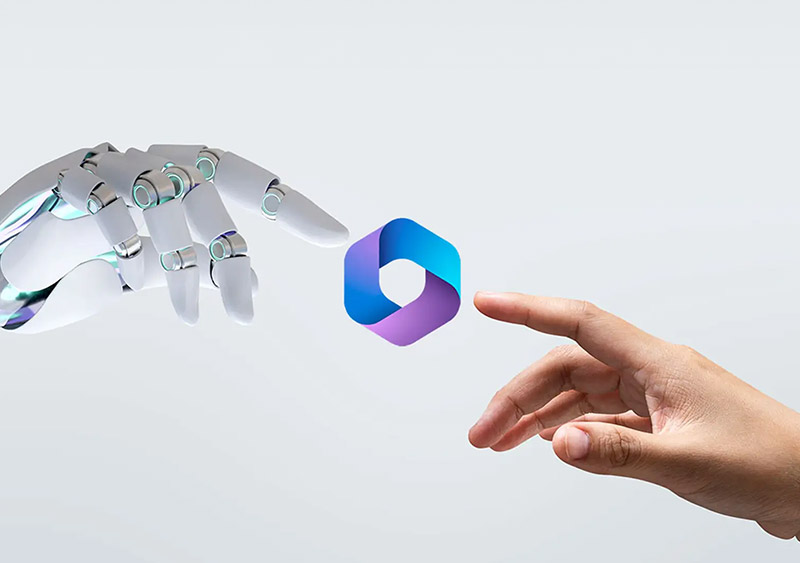
Experience the future of work today with Microsoft Copilot: Your AI-powered everyday assistant

Microsoft Copilot

In today’s dynamic and rapidly evolving workplace, staying efficient and productive is essential for success. Microsoft Copilot, an innovative AI assistant crafted to transform how we work and collaborate. Seamlessly integrated into Microsoft 365 applications, Windows, and Edge, Copilot leverages advanced generative AI technologies, including OpenAI’s GPT-4, to simplify tasks, enhance collaboration, and unlock new levels of creativity.

Here’s a closer look at how Microsoft Copilot is shaping the future of work and why it’s a game-changer for individuals and organizations alike.

What Is Microsoft Copilot?

At its core, Microsoft Copilot is a conversational AI assistant that transforms how we interact with technology. By embedding AI into familiar tools like Word, Excel, PowerPoint, Teams, and Outlook, Copilot enhances productivity, creativity, and decision-making. Whether you’re drafting an email, summarizing a report, analysing data, or creating visuals, Copilot is there to assist.

Key Features of Microsoft Copilot

  1. Enhanced Communication and Content Creation
    Gone are the days of staring at a blank page. With Copilot, you can draft professional emails, generate creative content, and even summarize lengthy documents with ease. For instance, you can ask, “Summarize this report into three key points,” and Copilot delivers an accurate, concise summary in seconds.
  2. Seamless Integration Across Microsoft Tools
    One of Copilot’s standout features is its deep integration with Microsoft 365 applications. Imagine working on a spreadsheet in Excel, chatting in Teams, or drafting a presentation in PowerPoint—Copilot is right there, ready to help. By grounding AI responses in your organization’s proprietary data, Copilot also delivers tailored insights, ensuring relevance and accuracy.
  3. Workflow Optimization and Task Automation
    Repetitive tasks take up valuable time that could be spent on strategic work. Copilot automates these tasks, such as scheduling meetings, organizing data, or enabling system settings like Do Not Disturb mode. This allows you to focus on what truly matters.
  4. Creative and Visual Capabilities
    Need visuals on demand? Copilot can generate images based on prompts or help design branded content. Whether it’s for marketing campaigns or presentations, Copilot’s creative capabilities make it an invaluable asset for teams that need fresh, impactful visuals quickly.
  5. Data-Driven Insights
    Copilot empowers decision-making with advanced AI analytics. It can analyse data, create detailed charts, and deliver actionable insights. For example, you can ask Copilot to “Identify sales trends for Q1,” and it will provide a clear, data-backed summary to guide your decisions.

 Why Microsoft Copilot Stands Out

  1. Enterprise-Grade Security
    Microsoft ensures that customer data used with Copilot is secure. It adheres to Responsible AI Standards, meaning your data remains private and is not used to train AI models. This commitment to transparency, accountability, and compliance gives organizations confidence in adopting Copilot.
  2. Tailored for Business Needs
    Microsoft Copilot is designed with flexibility in mind. Businesses can customize Copilot to align with their specific workflows, ensuring it meets unique industry requirements. From sales and marketing to customer service and IT, Copilot’s functionality adapts to various sectors.
  3. Boosting Efficiency and Reducing Costs
    By automating repetitive tasks, Copilot saves time and reduces operational overhead. This makes it a cost-effective solution for businesses aiming to enhance productivity without increasing workload.

Real-World Use Cases

  1. Streamlined Project Management
    Teams can use Copilot in Microsoft Teams to assign tasks, track progress, and summarize meeting notes. This ensures everyone is aligned and projects move forward efficiently.
  2. Enhanced Learning and Training
    Organizations can leverage Copilot to create training materials, generate course content, and even track employee learning progress, fostering a culture of growth and development.
  3. Creative Content Generation
    From marketing proposals to presentation designs, Copilot helps professionals create polished content quickly, freeing up time for strategy and innovation.
Getting Started with Microsoft Copilot

Implementing Microsoft Copilot requires an understanding of how it integrates with Microsoft 365 and existing workflows. By exploring its features and aligning them with your goals, you can unlock its full potential.

Whether you’re a small business looking to boost efficiency or a large enterprise aiming to empower employees, Microsoft Copilot is an AI companion that transforms work. It’s not just a tool—it’s a partner that helps you achieve more, faster.

As workplace technology continues to evolve, embracing tools like Microsoft Copilot is key to staying ahead. With its powerful AI capabilities and seamless integration, Copilot isn’t just changing the way we work—it’s reimagining it entirely.

Strengthening Your Incident Response Plan

Incident Response Plan

Are you ready to handle a cybersecurity breach, natural disaster, or system failure?

Unexpected disruptions can occur at any time, leaving businesses in turmoil. However, with a well-prepared incident response plan, you can navigate these challenges confidently and minimize the impact.

This guide is designed to help you enhance your incident response plan in a straightforward and effective manner. Let’s explore how you can ensure your organization is ready to tackle any unexpected incident.

Best Practices for a Robust Incident Response Plan

To effectively prepare for potential incidents, follow these essential steps:

  • Identify and Prioritize Critical Assets:
    Understanding your resources and their importance enables efficient allocation during an incident, reducing downtime and mitigating damage.
  • Build a Dedicated Response Team:
    Assemble a cohesive, well-trained team with defined roles to ensure swift and coordinated responses to any incident.
  • Provide Regular Training:
    Ongoing training equips your team with the latest knowledge and techniques, ensuring they’re confident and capable in any scenario.
  • Implement Continuous Monitoring:
    Early detection of issues through robust monitoring systems can prevent incidents from escalating into significant disruptions.
  • Establish Clear Communication Protocols:
    Ensure smooth communication within the team and with external stakeholders to avoid confusion and facilitate a coordinated response.
  • Create a System for Incident Categorization:
    Classify incidents by their severity and impact, enabling a tailored response to minimize long-term effects on your organization.

How We Can Assist

Not sure where to start with incident response planning? Our expertise can help you design and implement a comprehensive plan tailored to your needs:

  • We’ll develop a customized incident response plan aligned with your goals and unique challenges.
  • Our team will identify vulnerabilities and rank priorities through detailed risk assessments.
  • We’ll help you establish a skilled incident response team with clearly defined responsibilities.
  • Advanced security technologies will be applied to improve detection and responsiveness.
  • Continuous monitoring systems will be implemented to detect potential threats early.
  • Your plan will comply with all legal and regulatory requirements, ensuring peace of mind.
  • We’ll conduct post-incident analysis to refine your plan based on valuable lessons learned.

Secure Your Business Before It’s Too Late

A well-crafted incident response plan is essential to maintaining business continuity and minimizing the impact of unexpected disruptions. By taking proactive steps and following best practices, your organization can handle incidents effectively and reduce potential risks.

Start evaluating your current strategy today and ensure your team and systems are ready to respond confidently to any situation. Preparedness is key to resilience.


Top 5 Tech Trends That Defined 2024 and Predictions for 2025

Tech Trends and Predictions

As we close the chapter on 2024, it’s clear that this year was a turning point for technological advancements across industries. From breakthroughs in artificial intelligence to the rising importance of sustainable software practices, the past year reshaped businesses and paved the way for further innovation. Reflecting on the tech trends and predictions that shaped 2024, we also turn our gaze to 2025, where new opportunities and challenges are set to emerge.

  1. The AI Boom: Generative and Conversational AI Took Centre Stage

In 2024, artificial intelligence solidified its place as a transformative force across industries. Generative AI tools like ChatGPT matured further, driving efficiencies in creative processes and reshaping sectors such as healthcare, retail, and logistics. AI-powered systems generated text, images, and even design solutions, saving time and optimizing workflows.

Conversational AI reached new heights, with chatbots and virtual assistants becoming more human-like in their interactions. This technology played a pivotal role in enhancing customer experiences, especially in healthcare and e-commerce, where it streamlined patient engagement and automated customer support.

Prediction for 2025:
Next year, we anticipate AI evolving into hyper-personalized tools tailored to niche industries. Generative AI is expected to integrate seamlessly into enterprise systems, enhancing decision-making through real-time data analysis. Additionally, ethical AI practices will gain traction, addressing concerns about bias, transparency, and data privacy.

  1. Cybersecurity: A Year of Resilience and Lessons

2024 brought heightened awareness of cybersecurity risks. While many companies implemented stronger measures, the persistence of ransomware attacks highlighted the need for continuous vigilance. The year saw significant progress in IoT security, with emerging protocols addressing vulnerabilities in interconnected devices.

A critical lesson from 2024 was the importance of building a culture of cybersecurity. Organizations invested in employee training to recognize and mitigate cyber threats, while also adopting cutting-edge technologies to safeguard their data and networks.

Prediction for 2025:
As cybercriminals become more sophisticated, cybersecurity will rely heavily on AI-driven defences. Expect the emergence of self-learning systems capable of detecting and responding to threats in real time. Moreover, with quantum computing on the horizon, companies will need to revisit encryption standards to stay ahead of potential risks.

  1. Green Coding: A Commitment to Sustainability

Sustainability in software development became a major focus in 2024. Green coding practices, emphasizing energy-efficient and eco-friendly software, gained momentum. Many tech companies, including Meta and IBM, committed to net-zero emissions, demonstrating the industry’s shift toward responsible innovation.

Consumers, increasingly prioritizing sustainable products, influenced businesses to rethink their development processes. Green coding pushed software engineers to optimize applications for minimal energy consumption, aligning technological progress with environmental goals.

Prediction for 2025:
The momentum for green coding will continue to grow, with governments potentially introducing regulations to enforce sustainable software practices. Innovations in energy-efficient hardware and cloud computing infrastructure are also expected to support this shift.

  1. The Evolution of Software Development

Software development in 2024 was marked by a growing reliance on AI and machine learning. Developers increasingly leveraged AI tools for code generation, testing, and debugging, resulting in faster time-to-market for software products.

The year also saw organizations tackling the talent shortage by turning to staff augmentation and outsourcing partnerships. This approach allowed businesses to access skilled developers quickly and scale their operations efficiently.

Prediction for 2025:
In the coming year, software development will see even greater integration of AI in the entire lifecycle—from ideation to deployment. The demand for specialized roles, such as AI/ML engineers and DevOps professionals, will continue to rise. Moreover, low-code and no-code platforms will gain traction, democratizing development and enabling non-technical users to contribute to software creation.

  1. Industry Cloud Platforms: Custom Solutions Took the Lead

In 2024, industry-specific cloud platforms emerged as game changers, offering tailored solutions to address the unique challenges of sectors such as healthcare, manufacturing, and retail. These platforms provided pre-configured applications that enhanced operational efficiency and ensured compliance with industry regulations.

The integration of AI, IoT, and blockchain technologies into these platforms enabled businesses to gain deeper insights and streamline their processes. For example, healthcare platforms improved patient data management, while manufacturing platforms optimized supply chains and predictive maintenance.

Prediction for 2025:

Industry cloud platforms will become even more sophisticated, incorporating advanced predictive analytics and automation capabilities. As more businesses transition to these platforms, we expect a greater focus on interoperability and the adoption of multi-cloud strategies to avoid vendor lock-in.

Reflections on 2024 and What Lies Ahead

2024 will be remembered as a year of technological resilience, innovation, and adaptation. From the rapid evolution of AI to the growing emphasis on sustainability and cybersecurity, the trends of the past year have set the stage for exciting developments in 2025. Businesses that stay agile and embrace these advancements will be better positioned to thrive in an increasingly competitive digital landscape.

As we move into 2025, the key to success will be balancing innovation with responsibility. Organizations must not only leverage cutting-edge technologies but also address ethical considerations, sustainability goals, and the evolving needs of their customers. By doing so, they can navigate the future with confidence and purpose.

Myth Busting: Four Common Cybersecurity Myths

Four Common Cybersecurity Myths

As businesses become more digital, they face increasing online threats, from credential theft to complex ransomware attacks.

Protecting your organization from these dangers is essential, but if you’re not familiar with technology or cyber risks, determining the best defence strategy can be challenging. With so much conflicting information about cybersecurity, it’s important to separate myths from facts.

Understanding the real risks and how to mitigate them is crucial to securing your business. This blog will help you navigate the threat landscape and take steps to safeguard your company.

Common Cybersecurity Myths Exposed

Clearing up common misconceptions about cybersecurity is key to protecting your business:

Myth #1: Cybersecurity is a single solution

Cybersecurity is multi-faceted, involving more than just one protective measure. A strong defence includes employee training, physical security, and layered protections for networks and devices. Considering all these elements together will help build a comprehensive cybersecurity strategy.

Myth #2: Only large companies are targeted by cyberattacks

Believing this myth can be detrimental. In reality, small businesses are often easier targets because their defences are usually weaker, and they may struggle to recover from an attack unless they pay a ransom.

Myth #3: Antivirus software is sufficient protection

This is far from true. Antivirus software alone doesn’t protect against the full range of threats. Cybersecurity goes beyond basic antivirus tools—it requires awareness, preventative measures, and deploying various solutions to defend against evolving risks.

Myth #4: Cybersecurity isn’t my responsibility

Many believe that cybersecurity is solely the responsibility of the IT department or service provider. While IT plays a crucial role, employees are often the weakest link in security. Business leaders must ensure regular security training, and employees must follow good cyber hygiene practices to prevent attacks.

Debunking Common AI Myths in Cybersecurity

AI Myths

AI has become a hot topic, often stirring up a mix of excitement, scepticism, and even fear—particularly when it comes to cybersecurity. However, the reality is that when applied correctly, AI has the potential to transform how businesses operate and secure their systems.

To harness AI’s true potential, it’s important to separate fact from fiction. This blog will clarify some widespread misconceptions about AI in cybersecurity.

Uncovering the Truth About AI in Cybersecurity

There is plenty of confusion surrounding AI’s role in cybersecurity. Let’s clear up a few common myths:

Misconception: AI is a magical fix for cybersecurity

Reality: AI isn’t a cure-all for cybersecurity challenges. While it’s great at analysing data and identifying threats, it’s not an instant solution to every security problem. AI should be viewed as part of a broader cybersecurity strategy that includes task automation, threat detection, and support for your IT team.

Misconception: AI will make your business immune to attacks

Reality: Cybercriminals are constantly finding new vulnerabilities to exploit, including AI-based systems. AI alone cannot guarantee your business is immune to cyber threats. Think of AI as an advanced security layer that needs regular updates and the support of well-trained personnel to remain effective.

Misconception: AI is flawless and knows exactly what to do

Reality: Despite the hype, AI is not perfect. While AI technology is impressive, it’s still evolving, and there’s room for improvement. Some companies may overstate the capabilities of their AI security tools. The reality is that AI is not magic, but with time, it can improve and adapt to new challenges.

Misconception: AI operates entirely on its own

Reality: AI doesn’t work in isolation. Although AI is highly effective at identifying suspicious activities, human oversight is still essential. You need to set its parameters, assess its findings, and make final decisions on security matters. Sometimes, AI can raise false alarms, and it’s up to your security team to verify the real risks.

Misconception: AI is only for large enterprises with big budgets

Reality: AI-based security solutions are becoming more affordable and accessible to businesses of all sizes. With the rise of cloud-based AI services, even small and medium-sized companies can leverage AI without stretching their budgets.

By clearing up these myths, you can better understand how to use AI effectively in your cybersecurity strategy.

Empower your cybersecurity

Our IT experts can assist you in understanding your security needs, finding the right AI solutions for your business and ensuring they’re implemented effectively. Contact us today [email protected] for a free consultation and learn how we can keep your business safe in the digital age.

How Cybercriminals Leverage AI to Enhance Their Attacks

Cybercriminals

Running a business is already a tough task, and the rising threat of cyberattacks makes it even more challenging. Unfortunately, cybercriminals are now utilizing artificial intelligence (AI) to launch more advanced and sophisticated attacks aimed at stealing your data and disrupting your operations.

The good news is that there are effective measures you can take to safeguard your business. This blog will shed light on how hackers are using AI in their attacks and what steps you can take to protect your organization.

How Cybercriminals are Using AI

Here are some key ways hackers are exploiting AI to carry out cyberattacks:

Deepfakes

Cybercriminals use AI to generate convincing fake videos or audio recordings that mimic the voice or appearance of someone familiar, like your boss or a trusted colleague. These deepfakes can be used to deceive you into transferring money or revealing sensitive information.

How to spot it: Watch for subtle signs like odd facial movements or poor voice synchronization that might indicate a deepfake.

AI-Driven Password Cracking

AI allows hackers to crack weak or common passwords with ease. By harnessing the computational power of AI, attackers can automate password-guessing processes, attempting millions of combinations in a short time to breach accounts.

How to defend yourself: Use strong, unique passwords for all accounts, and consider using a password manager for better security.

AI-Enhanced Hacking

AI enables hackers to automate tasks that previously took hours or days, such as identifying system vulnerabilities. With AI, cybercriminals can create tools that not only find weaknesses but also develop new strains of malware designed to exploit them.

How to stay protected: Regularly update your security systems and software, and ensure that your systems are routinely scanned for potential vulnerabilities.

Supply Chain Attacks

In these attacks, hackers use AI to insert malicious code into legitimate software or vendor products. Once this compromised software is used in your systems, it can spread the malware and expose your business to risk.

How to protect yourself: Only download software from reliable sources and ensure that updates and patches are applied promptly.

Strengthen Your Defences

AI-powered cybercrime is a growing concern, but you can stay ahead of the curve by bolstering your security measures. Having a trusted IT partner can be your strongest defence. Partner with us to leverage cutting-edge technology and protect your business from emerging cyber threats.

Contact us today [email protected] for a free consultation and learn how we can keep your business safe in the digital age.

The Essential Points Around NIS 2

NIS 2

In response to the increasing number of cyber-attacks globally, multiple regulations have been developed in recent years, to improve the cyber security posture of businesses across the EU. We have already discussed the upcoming DORA regulations, which have been implemented recently in the EU, in our previous blog post https://www.dnait.ie/dora-regulations-in-five-key-points/. With so many new regulations coming from the EU, you may ask yourself which regulations apply to your business and what set of actions you need to complete to make sure you are compliant with NIS 2.

First of all, what is NIS 2?

NIS 2 refers to the revised Network and Information Systems Directive, which is a legislative framework by the European Union aimed at improving cybersecurity resilience and incident response capabilities across member states.

The original NIS directive was published in 2016. However, what makes NIS 2 different from NIS 1 is the list of sectors that are covered by it.

So, how do you know if your company is affected under the new directive?

There are 18 sectors listed below, while NIS 1 included only 6 sectors.

SECTORS OF HIGH CRITICALITY CRITICAL SECTORS
Energy Research
Transport Digital providers
Banking Manufacturing
Financial market infrastructures Productions and processing of food
Health Production and distribution of chemicals
Drinking water Waste management
Waste water Courier and postal services
Digital infrastructure
Space
Public administration
ICT service management

Of course, not every company that works in these sectors is covered by NIS 2. The directive only extends to companies that have at least 50 employees or achieve an annual turnover or an annual balance sheet total of over EUR 10 million. However, there are certain types of companies, such as public electronic communications networks or publicly available electronic communications services, which regardless of annual turnover and number of employees are also qualified for NIS 2. The NIS 2 Directive links most of its requirements to the classification of an operator as an “essential” or “important” entity. Below is the list of criteria that make entities “essential” or “important”, however, this is only the main criteria not a full list of them.

“Essential Entities” are:

  • Entities that exceed the number of 250 employees have an annual turnover of EUR 50 million and an annual balance sheet total of over EUR 43 million.
  • Public administration entities of the central government of a member state.
  • Qualified trust service providers and top-level domain name registries.

“Important Entities” are:

  • Entities in the sectors listed in Annex I or II (of NIS 2) that do not qualify as essential entities.
  • Entities explicitly identified by member states as “important entities”.


Right now, when you know if your company is applicable for NIS 2, what actions should you take to become compliant?


NIS 2 Stricter Security Requirements

Organizations that fall under the scope of the NIS 2 Directive must implement stronger cybersecurity measures. This includes:

  • Risk management
  • Incident response
  • Ensuring the security of supply chains and third-party services

The most important change here is that when analysing necessary risk management measures, a tech company should not only include the risk of phishing or hacking scenarios but also consider negative incidents such as theft, fire, or power outages. This is an important factor since NIS 2 includes mostly critical and highly critical sectors.

What makes the requirements even more significant is the fact that even non-European companies can be affected by the cybersecurity action requirements that are passed along throughout the supply chain by a directly obligated entity.

NIS 2 Risk Management and Incident Reporting

The directive mandates more stringent and standardized incident reporting requirements. Organizations must notify relevant authorities of significant incidents within 24 hours of detection, followed by a detailed report within 72 hours.

NIS 2 Enhanced Cooperation and Information Sharing

The NIS 2 Directive aims to improve cooperation and information sharing among EU member states, including the establishment of a new EU Cyber Crisis Liaison Organization Network to facilitate a coordinated response to large-scale cybersecurity incidents.

NIS 2 National Capabilities

Member states are required to strengthen their national cybersecurity capabilities, including setting up competent authorities to oversee compliance, enforce the directive, and provide guidance to companies.

NIS 2 Supply Chain Security

The directive places greater emphasis on the security of supply chains and third-party service providers, ensuring that vulnerabilities in these areas do not compromise the security of essential services.

NIS 2 Continuous Improvement and Adaptation

The directive encourages a culture of continuous improvement and adaptation to evolving cybersecurity threats, ensuring that organizations remain resilient against new and emerging risks.

Penalties for Non-Compliance with NIS 2 

The directive introduces tougher penalties for non-compliance. Companies that fail to meet the requirements can face significant fines, similar to those under the General Data Protection Regulation (GDPR). Administrative fines for essential entries could be up to EUR 10 million and fines for important entities are a bit less – EUR 7 million.

Conclusion

The main reason behind the NIS2 regulations being introduced is the fact that only continuous improvement and adaptation to the latest cyber risks can help to reduce them. If your business is covered under NIS 2 it is important to become compliant with all the criteria.

The penalties for non-compliance are not the only reason for this. It is every organisation’s responsibility to ensure that proper cyber security measures are being taken, to minimise risk to your business and protect your customers and supplier’s data.

To help you with understanding NIS 2, you can reach out to DNA IT. We will happily assist you with getting all needed requirements to become compliant with NIS 2.

DORA Regulations In Five Key Points

DORA Regulations

Since we already have GDPR, getting to know what DORA stands for could be hard for those who are not self-confessed compliance nerds.

Surprisingly, it has zero connection to “Dora the Explorer”, even though to work right now at a compliance office you should be great at finding the right path through any regulatory jungle!

DORA, which stands for the Digital Operational Resilience Act, is a regulatory framework established by the European Union to enhance the resilience and security of financial entities’ information and communication technology (ICT) systems. DORA entered into force on January 16, 2023, and applies from January 17, 2025 (Just to remind everyone: GDPR was introduced on 25th May 2018, and was mostly about data privacy in a general sense).

DORA aims to ensure that financial institutions within the EU can withstand, respond to, and recover from all types of ICT-related disruptions and threats, including cyberattacks. The regulation is part of the EU’s broader strategy to improve the overall stability and security of the financial system in an increasingly digitalized world.

Financial entities must manage risks associated with third-party ICT service providers.

This includes conducting due diligence, establishing contractual requirements, and monitoring third-party performance.

Five Key Points of the DORA Regulations:

  1. Risk Management

One of the main pillars of DORA is ICT risk management. DORA encourages financial entities to have a proactive view of how to manage vulnerabilities. This means that they should be addressed before the incident happens. Regular risk assessments, continuous evaluation, and constant monitoring of the ICT environment are the key points of Chapter II of the Digital Operational Resilience Act, if you do not want to read it. ICT-related risks also include monitoring who accesses the data. DORA emphasizes the fact that any financial organization should precisely monitor who accesses their data and try to reduce risks as much as possible. This includes conducting due diligence, establishing contractual requirements, and monitoring third-party performance.

  1. Incident Report

Moving to Chapter III of the Digital Operational Resilience Act you will see that, unfortunately, it is not getting easier for the financial sector. Incident report and proper responses to ICT incidents is another pillar of an act. Under DORA regulations financial sector is required to have a whole new management system that will monitor ICT vulnerabilities and incidents and report to the needed authorities. The main idea behind this is to train the financial sector’s ability to recover from cyber threats since it is a well-known fact that most ransomware attacks are focused on it. Having proper management and ICT reporting will help to reduce threats that the financial sector has been tenderly growing for many years while not having proper regulations act.

  1. Resilience testing

How would you know that you are not able to run a marathon if you have never tried? Probably you know this despite the fact of not doing it, but the idea is that without testing yourself you would probably never know what your limit is. The same idea is represented in Chapter IV of DORA. DORA supports the view of financial institutions to test their ICT risk management frameworks through resilience testing. This can include vulnerability assessments, open-source analyses, and penetration testing.

Since DNA follows the trends of EU regulations, we currently offer our clients not only conventional manual pen-testing but also our new Vonahi pen-testing service. This enables small and medium size companies to carry out an annual penetration test, where many of them would have been unable to afford it previously. You can learn more about this innovative new service here.

  1. Third-Party Risks

In the next chapter of DORA main goal is that the third parties who are financial sector partners compliant to DORA. The financial sector itself should ensure, that every third party whom they are working with on a regular basis also adopts high standards of digital security. DORA goes even further in trying to achieve next-level resilience. Right now all the contracts with ICT third parties shall include mandatory points to ensure these providers are compliant with EU standards for risk management and cyber-risk reporting.

  1. Information Sharing

There is no room for solo players in the Chapter VI of DORA. This chapter encourages the sharing of information and threat intelligence amongst the EU financial community. In other words, sharing the ideas of common vulnerabilities and possible cyber-attacks can help the financial sector not only to reduce it but also build a new level of resilience for it. The benefit of sharing is caring ideas, as you, can also be relevant even in the cold-hearted financial world. A collaborative environment benefits the entire industry by enabling organizations to join forces against advanced cyber criminals and stay a step ahead. By building a collective pool of knowledge within the same industry, there is a greater probability of anticipating cyber risks and being well-prepared to respond to them.

Challenges Meeting the Dora Regulations

As you can see the main idea of DORA regulations is to create a safe and reliable environment inside the financial sector. However, what are the main challenges that can prevent this from happening and what are the reasons why it never happened before?

Of course, the main issue as always is money. As with any law getting DORA compliance could be a challenging task. This could include huge investments in technology itself and internal and external processes.

Another challenge is the complexity of the regulations. Managing ICT risks and ensuring compliance with DORA can be complex, particularly for smaller financial entities with limited resources and of course limited financial abilities. For smaller businesses, getting DORA compliance can be a  tough call, but for those who already embraced GDPR, this could be an easier task, even though it still requires effort and financial resources.

DORA represents a significant step forward in the EU’s efforts to enhance the cybersecurity and operational resilience of its financial sector. By mandating comprehensive risk management frameworks, regular testing, and robust third-party risk management practices, DORA aims to ensure that financial entities can effectively respond to and recover from ICT-related disruptions, thereby safeguarding the stability and security of the broader financial system.

Tech Excellence Awards 2024: Our Achievements!

Tech Excellence Awards 2024

We are delighted to announce that DNA IT Solutions has been recognized as a finalist in four categories at the Tech Excellence Awards 2024.

SME Project of The Year 2024


Managed Security Service Provider of The Year 2024

Top-notch security solutions that protect our clients’ critical data and infrastructure. Happy and proud! Like a fortress guarding treasures!


Managed Service Company of The Year 2024

Comprehensive and reliable managed services that ensure our clients’ IT environments run smoothly and efficiently. Like a non-stop engine!


Marketing Excellence Award 2024

Innovative and effective marketing strategies that drive engagement and business growth.


We look forward to continuing to provide outstanding IT solutions and celebrating many more successes in the future.

Stay tuned for updates, and thank you for your continued support!